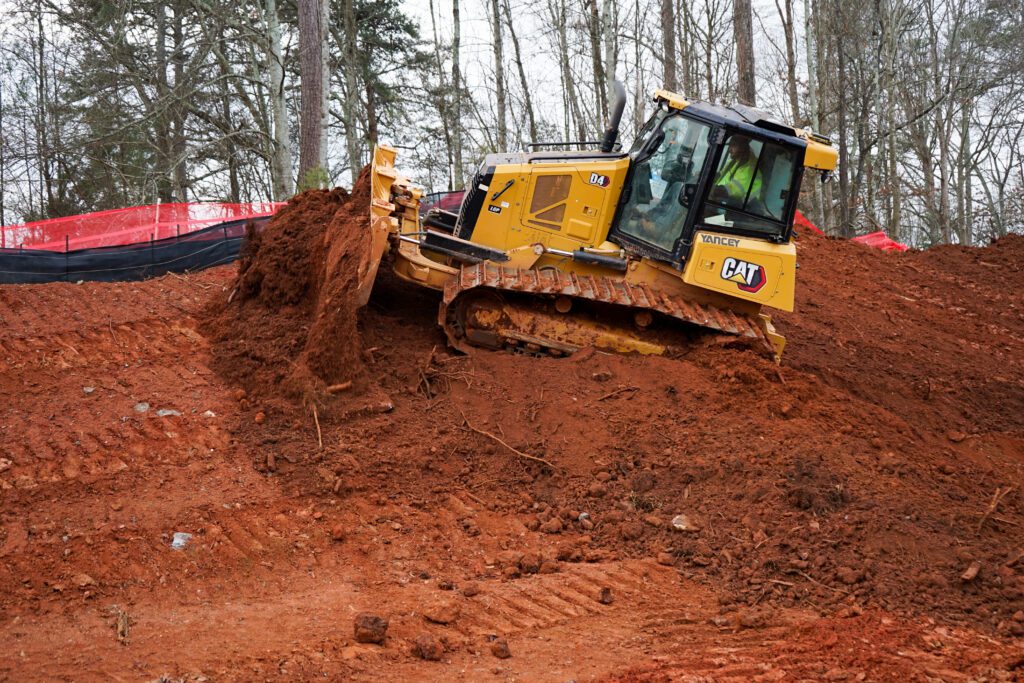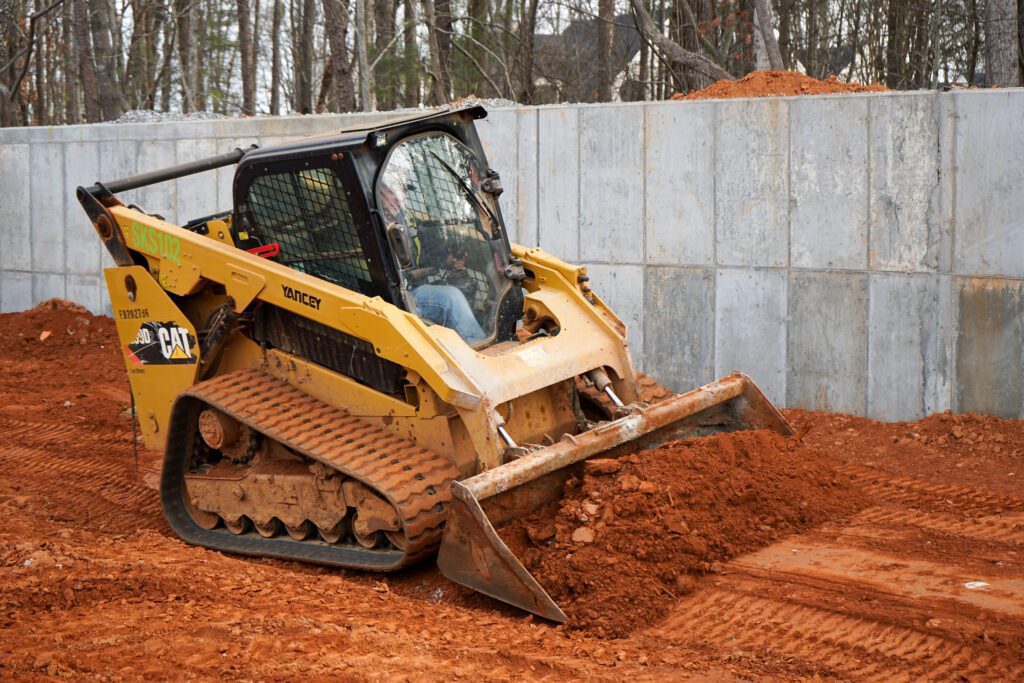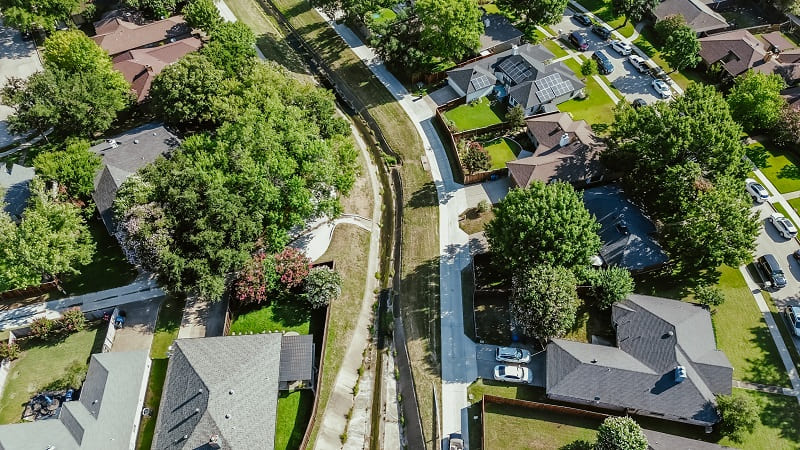
In civil construction, few conditions create more unexpected costs than inadequate drainage. Water that moves unpredictably across a worksite can impact soil, slow equipment, and trigger delays that require expensive rework. In many cases, the financial impact isn’t realized until problems have already escalated.
Proper civil drainage solutions help prevent these issues before they emerge. When drainage is planned early, water flows safely throughout and away from the site. Innovative drainage solutions not only protect the subgrade but also keep the project on schedule and support the long-term stability of the project’s foundation.
Good drainage planning also supports the entire site development process. In fact, understanding how water behaves will influence decisions on sitework engineering that impacts stormwater management and erosion control. When these systems work together, the construction site becomes more predictable, and overseeing the budget becomes much more manageable.
Let’s explore why drainage planning matters, including how it reduces long-term costs and how thoughtful design helps project owners avoid the hidden risks that often lead to unexpected budget overages.
The True Cost of Poor Drainage – Fixing Problems Later is More Expensive
Most worksite complications can be resolved through schedule adjustments or increased labor. Drainage failures are different. Once water begins to compromise the site, the damage can spread quickly and impact multiple areas of the project.
Pooling water compromises the soil, slows equipment, and increases the risk of trenches collapsing. If utilities or pavements are installed before drainage issues appear, repairing the damage can significantly increase the overall cost of the project.
These failures often arise when drainage systems are too small, improperly placed, or designed without a full understanding of how water naturally flows over the site. Even small grading mistakes can create low points where runoff settles, which can lead to costly rework and schedule disruptions.
Early implementation of civil drainage solutions prevents the operational and structural issues that arise from uncontrolled water. A well-designed drainage plan keeps crews efficient and helps maintain long-term infrastructure performance. Retrofitting or repairing drainage later is far more expensive than establishing the right system from the start.
Stormwater Management Starts in the Design Phase
With the severity and destructiveness of storms on the rise, it’s never been more important to ensure stormwater management has been considered from the outset of a project.
Effective stormwater management begins before construction equipment arrives on site. During the design phase, engineers evaluate the land’s slope, soil conditions, drainage paths, and rainfall patterns. This information guides the size and placement of pipes, structures, and surface features that control water.
When this step is overlooked or rushed, drainage problems will start to emerge after
construction begins. Water may collect in excavations, wash out trenches, or overwhelm temporary systems. These conditions can create safety risks and increase labor costs.
A strong stormwater plan goes beyond regulatory compliance. It protects the work in progress by ensuring water is controlled throughout the project. Features such as detention basins, culverts, swales, and underground systems help manage daily runoff as well as major storm events, reducing the risk of damage or rework.
Erosion Control: A Key Driver of Site Stability and Cost Savings
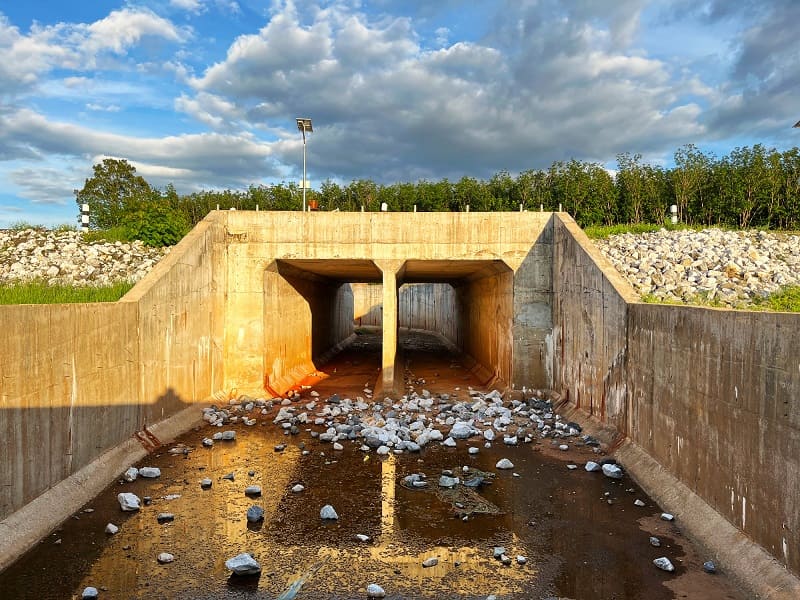
Erosion control is one of the most important elements of drainage planning. Without it, even a well-designed stormwater system can fail. Erosion can wash away soil, expose utilities, damage slopes, and fill drainage structures with sediment. Each issue leads to unplanned costs for cleanup, repairs, and additional inspections that might be required.
Proper erosion control protects the site throughout the life of the project. Simple measures like stabilized entrances, slope protection, sediment barriers, and temporary channels help keep soil in place. These systems also support environmental compliance and help avoid penalties or project delays.
Erosion control and civil drainage solutions work hand in hand. When water is guided effectively through the site, soil remains stable. When soil stays in place, stormwater systems operate as intended. This relationship makes erosion control a major driver of cost avoidance and long-term project success.
Preparing the Site for Long-Term Performance with Smart Sitework Engineering
Drainage planning and sitework engineering are intricately connected. Before utilities or structures are installed, the ground must be shaped and compacted to support proper water movement. Every grade adjustment influences how water drains.
Proper grading prevents standing water. Stable compaction protects subgrades and prevents pavement settlement. Smart trench design moves water away from utilities instead of toward them. These decisions determine how well the site performs long after construction is complete.
Thoughtful sitework engineering also reduces conflicts between utilities, structures, and drainage paths. When these elements are coordinated early, crews work more safely and efficiently. This reduces change orders, improves reliability, and promotes project success.
The Value of Partnering with a Contractor Who Prioritizes Drainage
A drainage plan is only as strong as its execution. Even the best design can fail without proper installation. Choosing a contractor who understands the relationship between stormwater systems, utilities, and sitework can prevent many costly mistakes.
Owners benefit from working with a contractor who values coordination, communication, and long-term performance. When drainage is treated as a core discipline—not an afterthought—the entire project becomes stronger, safer, and more predictable.
Proper Drainage Protects Both Your Project and Your Budget

Drainage planning remains one of the most reliable ways to control costs in civil construction. When water is managed well, projects stay on schedule and infrastructure maintains the integrity it was designed to deliver.
Brock Civil provides civil drainage solutions that strengthen performance and prevent costly setbacks. We collaborate closely with owners and engineers to refine designs, improve constructability, and ensure each system operates as intended in the field.
Erosion control is woven into every phase of our work. This approach reduces risk while protecting the environment and keeping the site stable from early grading to final turnover.
Our team also brings a systems-based mindset to sitework engineering. We prepare the land to move water effectively during construction and long after the project is complete.
With decades of hands-on experience, Brock Civil builds drainage systems that hold up under pressure, reduce rework, and protect project timelines—giving you infrastructure that performs with confidence. If you need support evaluating a site, strengthening an existing drainage plan, or preparing for a new project, Brock Civil is ready to help.
 By Brock Civil