Jobsite safety is often discussed in terms of training, compliance, and personal protective equipment (PPE). But long before crews arrive on site, the conditions that shape safe work environments must be carefully considered. Civil planning determines how people, equipment, materials, and water move throughout the work area. When planning is rushed, incomplete, or substandard, risk increases during construction.
Strong jobsite safety planning begins with civil planning that anticipates real-world site conditions. Grades, access points, sequencing, drainage, and logistics all influence how work can be performed safely. When these elements are coordinated from the outset, risk is reduced by design rather than managed after problems develop.
Heavy civil planning lays the foundation for safe construction. It allows teams to anticipate and control risks instead of reacting to them.
Safety Risks Often Begin Before Construction Starts
Many safety issues are the direct result of poor execution driven by incomplete planning. Congested access routes, unstable working surfaces, unclear material staging areas, and conflicting scopes all create unnecessary exposure for crews.
Civil planning defines how the site will function every day. Equipment paths, haul routes, temporary slopes, and working elevations must support safe and efficient movement throughout the site. When these decisions are delayed or left to field adjustment, crews are forced to work around hazards instead of operating within controlled conditions.
Thoughtful jobsite safety planning considers how conditions will change as work progresses. What works during early earthwork may become unsafe during utility installation or paving. Civil planning accounts for those transitions. It creates safer workflows that evolve with the project rather than introducing new risks at each phase.
Site Logistics Shape Daily Safety Outcomes
Site logistics are a critical driver of construction safety. Poorly planned logistics lead to crowded work zones, equipment conflicts, and inefficient material handling. These conditions increase the likelihood of incidents, even on well-managed jobs.
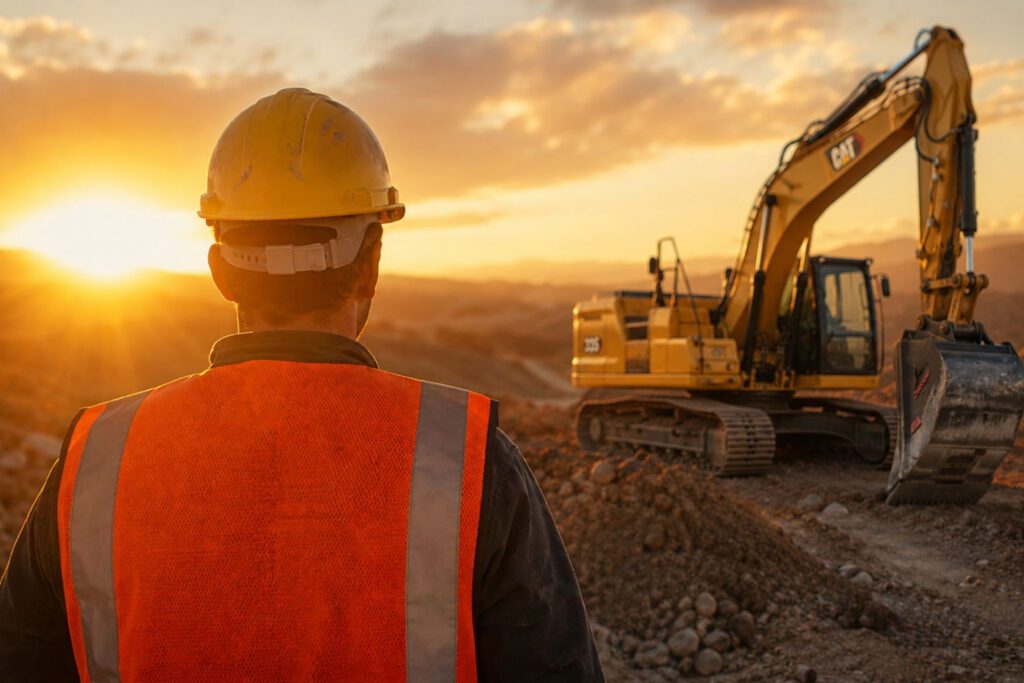
Civil planning establishes how people and machines move through the site. It outlines clear access points, along with designated equipment routes and planned staging areas, to reduce friction between crews and heavy equipment. It also improves visibility and predictability on busy projects.
Effective jobsite safety planning also integrates site logistics with scheduling. By ensuring deliveries, excavations, and utility work overlap with coordination, crews aren’t faced with unnecessary exposure to hazards.
By aligning logistics with sequencing, civil planning creates work areas that remain controlled, accessible, and safer throughout the project.
Stable Ground Conditions Support Safer Work
Ground conditions affect safety more than most people realize. Unstable soils, poor drainage, and inconsistent compaction create hazards that persist across every trade.
Effective civil planning evaluates soil behavior early. It identifies where stabilization, undercutting, or drainage improvements will be required before work begins. These decisions reduce the risk of cave-ins, equipment instability, and surface failures that can injure workers or damage equipment.
Construction safety improves when the ground performs as expected. Crews can focus on their tasks instead of reacting to unpredictable conditions.
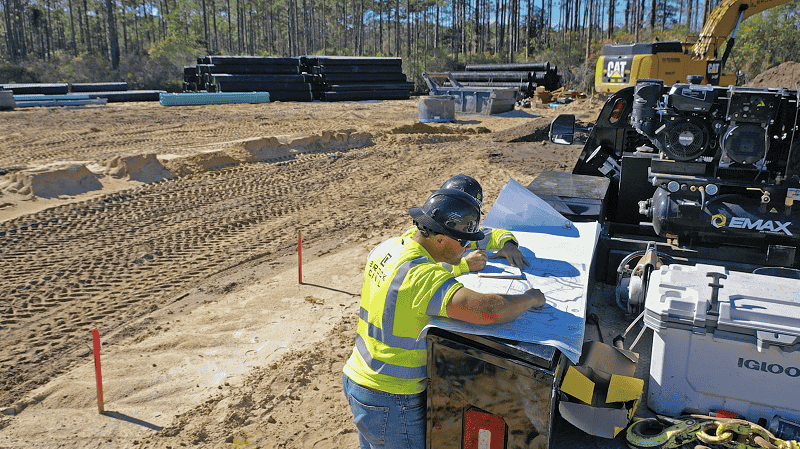
Civil planning ensures that working surfaces, slopes, and transitions are designed for both performance and safety.
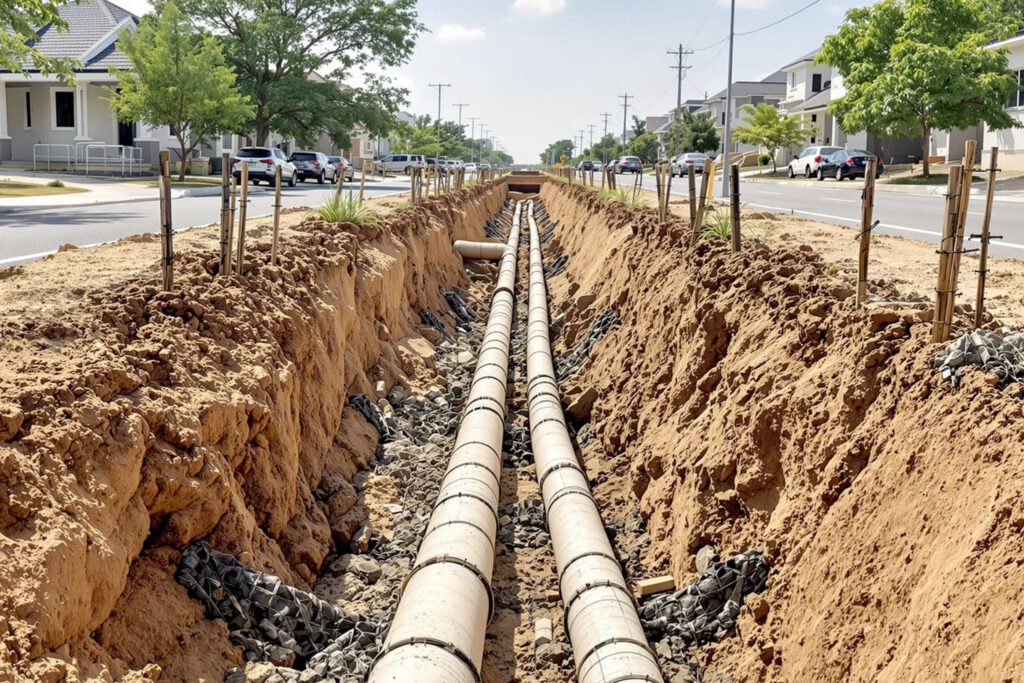
Drainage Planning Reduces Hidden Safety Hazards. Water is one of the most underestimated safety risks on a job site. Poor drainage creates slippery surfaces, soft soils, standing water, and erosion. When water is not controlled, working surfaces lose stability, equipment response becomes less predictable, and visibility across active work areas is reduced. These conditions increase the potential for incidents, especially during active earthwork and utility operations.
Civil planning addresses water movement from the start. Drainage paths, temporary controls, and erosion measures are integrated into the site layout. This reduces the chance of unexpected washouts or hazardous conditions following storms.
Jobsite safety planning includes:
- Drainage plans that help maintain predictable site conditions.
- Water-related hazards have been prevented.
- Proactive drainage planning protects both workers and project schedules.
Integrated Planning Supports Safer Decision-Making in the Field
When civil planning is not fully integrated with construction planning, safety decisions are often made under pressure, in real time on the site. Crews may need to adjust grades, reroute equipment, or modify access to keep work moving, and these reactive decisions can introduce unintended risk.
Integrated civil planning provides clarity for every construction project. It aligns design intent, construction sequencing, and site logistics into a coordinated plan. Field teams understand how the site is designed to function and can operate within defined safety parameters with a clear framework.
Strong jobsite safety planning gives crews the confidence to work efficiently without cutting corners. Civil planning sets expectations early and reduces the need for improvisation that can compromise safety.
Planning Ahead Is the Most Reliable Safety Strategy
Safety within the construction industry is more than rules and enforcement. It is about planning. Civil planning gives projects the structure needed to manage risk before it reaches the field.
When civil planning leads the process, jobsites are more predictable. Water, soil, and logistics are controlled rather than contested, and equipment operates within clear boundaries. And always a top priority, crews move through safer, more stable work environments.
Safety at Brock Civil is built through planning, coordination, and experience. Jobsite safety planning is not a checklist item. It comes from disciplined civil planning that guides work from the start of the project to the finish.
At Brock Civil, we don’t just move earth, we protect it.
That’s the difference between completing a job and completing it responsibly. Contact us to learn more.
 By Brock Civil