Beginning in early development and continuing through construction, a civil construction project’s success is rarely determined by a single decision. It is shaped by how well planning, coordination, and execution function together as disciplines throughout the project. When these disciplines are fragmented or treated in isolation, even well-designed projects can experience delays, rework, and escalating costs.
Choosing a full-service civil contractor helps eliminate those gaps. When sitework, utilities, drainage, and grading are coordinated under one team, projects move with greater efficiency and predictability. Owners gain clearer communication, tighter schedules, and stronger cost control from day one.
The benefits of a full-service civil contractor come from coordinated sitework that will reduce risk, rework, delays, and cost overruns.
One Team, One Plan, One Schedule
Civil projects depend on sequencing, e.g., grading influences drainage, utilities affect access, and site conditions shape construction flow. When these elements are managed separately, coordination often becomes reactive.
A full-service contractor aligns these disciplines under a single scope of work. Through integrated sitework services, schedules, resources, and construction methods are coordinated before work begins. This approach reduces handoff delays and prevents conflicts that can stall progress in the field.
For owners, the primary benefit is clarity. Instead of managing multiple contractors and competing timelines, they work with one accountable partner who oversees coordination and execution. Decisions move faster, communication is streamlined, and schedules remain intact because the entire scope is managed as one unified effort.
Reducing Rework Through Integrated Planning
Rework is one of the most expensive risks in civil construction. And the culprit is often incomplete planning or misalignment between trades. Drainage installed without grading context or utilities placed without considering long-term site performance can require costly corrections later.
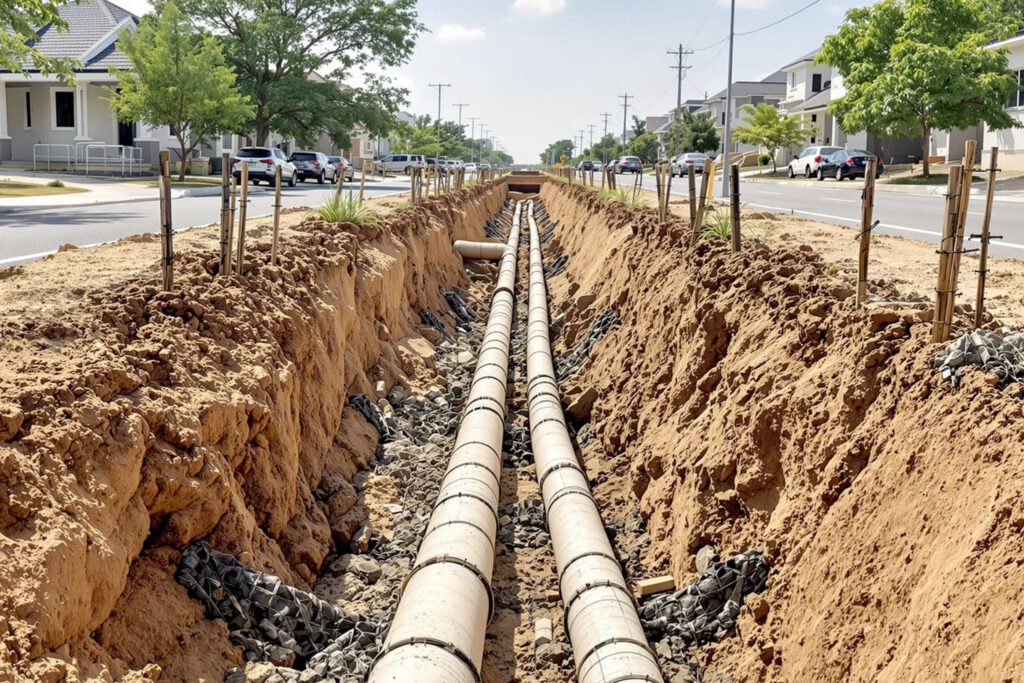
Turnkey civil sitework allows planning decisions to consider how each phase affects the next. When grading, utilities, erosion control, and stormwater systems are planned together, crews avoid installation conflicts and inefficient sequencing in the field.
This level of coordination keeps the project moving efficiently and reduces wasted labor and materials. Projects stay on track, and owners avoid the compounding costs that come with preventable rework.
Cost Control Starts Before Construction Begins
Cost overruns can stem from many different factors. They rarely appear all at once. More often, they build gradually through change orders, corrective work, and unexpected delays. When responsibility is fragmented across multiple contractors, identifying these risks early becomes far more difficult.
A full-service civil contractor evaluates cost impacts during planning, not after construction is underway. Integrated teams identify constructability challenges, site constraints, and logistical risks before they affect the budget. This early visibility allows owners to make informed decisions with a clearer understanding of long-term implications.
When costs are anticipated and managed proactively, projects remain financially controlled. Predictable execution reduces surprises and protects investment throughout the construction lifecycle.
Simplified Contractor Selection and Clear Accountability

Many contractor selection tips focus on experience and capability, but structure matters just as much. Managing multiple contractors increases administrative complexity and can blur accountability when challenges arise.
Choosing a full-service partner consolidates responsibility. With one contractor overseeing delivery and oversight, communication is often clearer, and issues are resolved faster. Decisions are made with the full scope in mind, rather than in isolation.
Clear accountability builds trust. Owners know who is responsible for outcomes, and project teams can address challenges efficiently without delays caused by accountability gaps.
Building For Long-Term Performance
Civil construction does not end when the project is complete. The integrity of the infrastructure depends on how thoroughly it was planned and executed during construction. For example, disconnected execution can lead to drainage issues, settlement, or long-term maintenance challenges.
A full-service approach to civil work emphasizes durability from the start. When early planning decisions consider how systems interact over time, infrastructure is built to hold up under real-world conditions long after construction is complete. This approach limits future repairs and protects long-term investment.
The benefits of a full-service civil contractor extend beyond construction efficiency. They deliver infrastructure that owners can rely on for years, not just work that meets short-term project requirements.
The Brock Civil Approach
Time and cost savings in civil construction come from coordination, foresight, and disciplined decision-making. Choosing an experienced full-service civil contractor reduces complexity, controls risk, and keeps projects on a solid footing.
Brock Civil delivers this level of coordination by integrating planning, sitework, and construction under one team. The result is fewer delays, stronger budgets, and infrastructure built with durability and accountability in mind.
At Brock Civil, we don’t just move earth — we protect it.
That’s the difference between completing a job and completing it responsibly. Contact us to learn more.
Frequently Asked Questions About Hiring a Full-Service Civil Contractor
Q: What is a full-service civil contractor?
A: A full-service civil contractor manages all major site development activities under one team, including grading, utilities, drainage, erosion control, and site preparation. This integrated approach improves coordination, reduces delays, and ensures greater accountability throughout the project lifecycle.
Q: How does a full-service civil contractor save time on construction projects?
A: By managing planning, scheduling, and execution under one unified scope, a full-service civil contractor reduces handoff delays, prevents trade conflicts, and streamlines decision-making. This results in faster project timelines and fewer interruptions in the field.
Q: How does integrated sitework reduce construction costs?
A: Integrated sitework services minimize rework, improve sequencing, and identify potential issues early in the planning process. By addressing constructability, logistics, and site constraints upfront, owners avoid costly change orders and unexpected budget overruns.
Q: Is a full-service civil contractor better than hiring multiple contractors?
A: In most cases, yes. Hiring multiple contractors can increase complexity, create accountability gaps, and slow communication. A single full-service civil contractor simplifies contractor selection, ensures clear responsibility, and improves overall project efficiency.
Q: What should I look for when selecting a civil contractor?
A: Key contractor selection tips include:
- Experience with similar projects
- In-house service integration
- Proper licensing and safety track record
- Transparent communication and cost controls
- A focus on long-term performance, not just short-term results
Q: How does a full-service approach support long-term site performance?
A: A full-service civil contractor considers how grading, drainage, utilities, and erosion control interact over time. This long-term planning helps prevent future maintenance issues, structural failures, and costly repairs after construction is complete.
Q: Why choose Brock Civil as your civil contractor?
A: Brock Civil delivers integrated civil sitework services that reduce risk, improve scheduling efficiency, control costs, and ensure durable infrastructure. With one coordinated team managing every phase of site development, clients benefit from stronger accountability, fewer delays, and reliable long-term performance.

 By Brock Civil